Business Name: FootPrints Home Care
Address: 4811 Hardware Dr NE d1, Albuquerque, NM 87109
Phone: (505) 828-3918
FootPrints Home Care
FootPrints Home Care offers in-home senior care including assistance with activities of daily living, meal preparation and light housekeeping, companion care and more. We offer a no-charge in-home assessment to design care for the client to age in place. FootPrints offers senior home care in the greater Albuquerque region as well as the Santa Fe/Los Alamos area.
4811 Hardware Dr NE d1, Albuquerque, NM 87109
Business Hours
Monday thru Sunday: 24 Hours
Facebook: https://www.facebook.com/FootPrintsHomeCare/
Instagram: https://www.instagram.com/footprintshomecare/
LinkedIn: https://www.linkedin.com/company/footprints-home-care
Families typically begin comparing senior home care and assisted living after they discover the quieter moments. A parent who used to chat with next-door neighbors now decreases invites. A spouse who loved bridge night sits through television reruns. Safety and health matter, of course, however the daily texture of life, the little minutes of connection and purpose, frequently drives the choice. The question behind the alternatives rarely modifications: where will my loved one feel most alive, and how will we keep them engaged without frustrating them?
I have actually worked with older grownups in both settings, and the ideal environment depends upon character, health, and what "social" really suggests for the person. Some flourish with an everyday bustle, others reward familiar environments and choose a slower cadence. The bright side is both senior home care and assisted living can support socialization, activities, and engagement. They merely do it in different methods, and the compromises are real.
What social engagement looks like in each setting
In assisted living, social life is developed into the architecture. Photo a lobby with a coffee shop, a calendar of everyday programs, and neighbors whose doors are ten steps away. Activities coordinators schedule chair yoga at 10, live music on Thursdays, a gardening club when the weather condition cooperates. If somebody takes pleasure in a group environment and can tolerate a bit of ambient sound, this setup can feel stimulating. Participation differs, but I consistently see 30 to 60 percent of citizens taking part in at least one group activity on a given day, more throughout unique events.
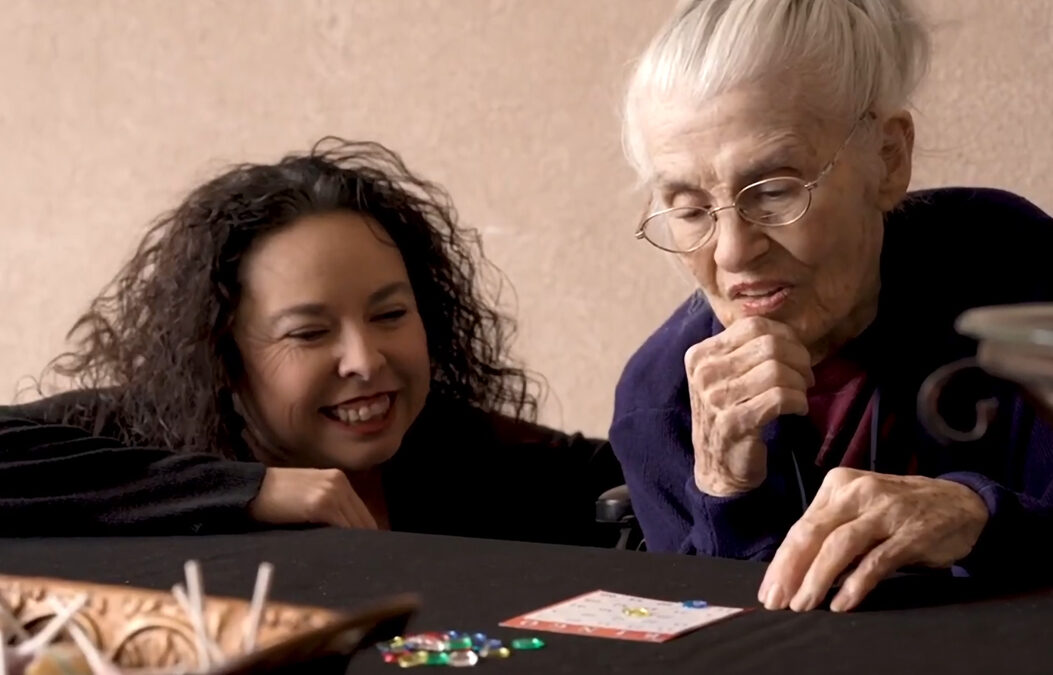
Senior home care takes the opposite route. Engagement is curated, not set. A senior caregiver brings conversation, structure, and support straight into the home. The world is arranged to fit someone's rhythm. Rather of going to bingo at 2, the caregiver and customer may bake scones at 10, stroll the pet at 1, and FaceTime a granddaughter after dinner. A neighbor might drop in due to the fact that the home is part of an existing block, not a facility. When cognitive or movement obstacles make group settings difficult, this one-to-one attention can unlock the very best version of socialization: regular, low-pressure, and meaningful.
Neither design assurances connection. Both take work. The difference lies in how the social opportunities are delivered and how much tailoring is possible day to day.
The anatomy of an excellent day
I keep a little test in mind when examining engagement: describe a single weekday from breakfast to bedtime. Where do conversations take place? What provides the day a sense of arc? What options does the older adult make, and what follows automatically?
In assisted living, a strong day may start with a common breakfast, reading the paper in an armchair by the window, a light exercise class, lunch with tablemates, possibly a lecture by a local historian, then a family visit and a motion picture night. The structure itself produces opportunity encounters, which can be as basic as "Hello, Mary" in the corridor that blossoms into friendship after a few weeks. Staff can trigger carefully: "Tom, bingo starts in 10 minutes, shall I conserve your seat?"
In in-home senior care, the arc is more bespoke. The caretaker arrives at 9, sets the kettle, and inquires about sleep. They review medications and a short prepare for the day: heading to the senior center at 11 for line dancing, dealing with a picture album in the afternoon, calling a cousin at 4. The caretaker can integrate in rest between activities, a crucial pacing method for individuals living with Parkinson's or heart disease. Socializing comes through selected channels: familiar clubs, faith neighborhoods, volunteer roles, and neighbors. If leaving the house is hard, the senior caretaker can bring social life in, from book club over Zoom to a porch visit organized with the next-door couple. In practice, I find that customized pacing improves involvement. Seniors who decline a generic group class at a center will often state yes to a 15‑minute walk and a newspaper chat in your home, then develop to more.
Who grows where
Assisted living tends to match extroverts, joiners, and those who charge amongst individuals. It also helps somebody who is losing effort or sequencing however keeps social heat. Structured calendars plus staff triggers can keep them engaged without relying on memory or planning. I think about Mr. P., a former salesman, who wasn't doing well in your home alone after his spouse died. He consumed cereal for dinner and avoided showering. At assisted living, he quickly became the unofficial concierge, welcoming newcomers and never missing trivia night. The environment footprintshomecare.com awakened his strengths.
Senior home care often fits individuals who value privacy, control, and home accessories, including their garden, their pet, and their favorite chair. It can be perfect for those with sensory sensitivities. A customer with early dementia informed me that group dining halls felt like "echoes and forks," which sums up the acoustic overload lots of feel. At home, with some acoustic tweaks and a small table, he participated even more, even hosting a two-person cribbage league with his caretaker. Home care also shines when a partner still lives there and wishes to stay together, or when an individual has a tight area network they're not ready to leave.
The mechanics of social programming
Assisted living neighborhoods normally release a month-to-month calendar. Look beyond the titles. Who leads the activities? Are there options at varied times, or whatever bunched in between 10 and 2? Do you see tiered programs for various levels of ability, such as gentle movement classes for folks with minimal mobility and more complicated brain video games for those who want a difficulty? Are trips regular and significant or primarily scenic drives? Numbers matter less than consistency. A small however trustworthy book club can be more appealing than scattered big events.
With home care, the calendar is co-created. This is where a great senior caregiver makes their keep. They discover what sparks interest and what drains it, then form a weekly rhythm. Maybe Mondays are for the regional Y's water exercise class, Wednesdays for baking a single dish and providing a plate to the neighbor across the street, Fridays for the farmer's market when weather allows. They can scaffold tasks, turning regular into engagement: selecting fruit and vegetables, trying a new dish, composing a note to choose a delivered dessert. The care plan ends up being a living document, revised as energy, state of mind, and seasons modification. I have actually seen caregivers develop whole weeks around cherished themes, like a WWII veteran's oral history task or a retired instructor tutoring a next-door neighbor's kid for twenty minutes after school.
Transportation and the friction factor
Engagement typically stops working on the margins. The activity itself is great, however arriving is exhausting. Assisted living gets rid of some friction by hosting events on-site. On the other hand, off-site outings count on community transport, which might work on a repaired schedule and can be tiring for somebody with arthritis or continence requirements. A 90‑minute museum journey can consume half a day door to door.
In-home care can decrease friction by lining up the timing with the person's peak energy. If mornings are best, the caregiver schedules appointments then. If the senior relocations gradually, they plan a single destination, allow time for rest, and avoid the rushed transfer. That stated, home care depends on the caretaker's driving capability and regional alternatives. Rural areas can limit choices. I have actually also enjoyed passionate plans fall apart throughout a heatwave or when a customer feels off after a new medication. The advantage in the house is flexibility: a canceled getaway ends up being a patio picnic and a call to a buddy, not a lonesome day with nothing to do.
Cognitive modification, safety, and dignity
When memory or judgment changes, socializing must adapt to stay safe and rewarding. Assisted living memory care units are designed for this. Safe senior home care and secure perimeters, personnel trained in dementia communication, and sensory-friendly activities allow group engagement without high risk. The compromise is less autonomy and more routine. Some families enjoy the predictability; others feel the loss of individual choice.
At home, dementia-friendly style can be efficient. Labels on drawers, contrasting colors on plates to enhance appetite, a door chime to alert the caregiver if somebody heads outside unexpectedly. Engagement ends up being easier and more tactile: folding warm towels, watering herbs, singing along to a preferred album. The senior caretaker can utilize validation and redirection without drawing an audience. Relative frequently report fewer outbursts in this setting. However one-to-one supervision can be extensive, and if behaviors intensify or nighttime wandering starts, assisted living's team technique may be much safer and less stressful for everyone.
Loneliness versus solitude
Not all peaceful is isolation. Many older adults prefer a couple of deep connections over a flurry of associates. Assisted living's consistent schedule of people can still feel separating if relationships remain shallow. I've satisfied citizens who consume in the dining-room daily yet struggle with the transition from cordial chats to true relationships, particularly if hearing loss makes conversation tiring. Neighborhoods that stabilize small groups and duplicated seating plans help. A "very same table, very same time" lunch can convert polite nods into real bonds within a month.
At home, solitude can be restorative, however it can also move into social poor nutrition if days pass without a genuine conversation. Companionship hours avoid that. Even 2 or three check outs a week can offer adequate social nutrition for some. The key is blending formats: in-person check outs, call, virtual events, and area contact. Individuals's cravings for connection changes with mood. An excellent home care service comprehends when to lean in and when to leave space.
The function of family and friends
Families typically ignore their influence. In assisted living, regular household check outs amplify engagement. Go to the art show, bring the grandkids to the yard show, sit at your parent's table for Sunday lunch. Discover the names of their pals and greet them warmly. You will marvel how quickly you enter into the social fabric.
At home, families can broaden the circle by scheduling constant touchpoints that the caregiver can support. A standing Tuesday call with a pal in Chicago. A monthly meal with next-door neighbors who bring a dish and a story. Ask the caregiver to record an image of a recipe or garden job to share with the family group text. These small routines develop connection, and continuity breeds meaning.
Measuring what matters
Don't judge engagement by the number of events went to. Much better metrics are state of mind stability, sleep quality, appetite, and how frequently the person spontaneously mentions other individuals and plans. I likewise search for signs of agency. Does your mother suggest something she wishes to do next week? Does your father placed on his shoes 10 minutes before the caregiver shows up? Those are green lights.
If things aren't working, change one variable at a time. In assisted living, try shifting meal seating or introducing a specific club aligned with a passion, like woodworking or narrative writing. In home care, adjust visit timing or swap an activity that needs initiation for one that begins with an easy prompt. Track for 2 weeks before making a new change.
Cost, worth, and covert expenses
Families ask me for numbers, and the spread is wide by area. Assisted living frequently runs 4,000 to 7,000 dollars each month for space, board, and a base level of support. Extra care needs can press that greater. For home care, per hour rates commonly vary from 28 to 40 dollars, in some cases more in thick metro locations. Twenty hours a week might amount to 2,400 to 3,200 dollars monthly. Day-and-night care at home is usually the most costly alternative, often higher than assisted living.
Cost alone doesn't decide worth. If your loved one uses the majority of what assisted living consists of, the bundle can be effective. If they attend few activities and eat in their room, you may be paying for facilities they do not utilize. On the other hand, with in-home care, hours are versatile and you pay for what you use, however you will also bring continuous family costs, upkeep, and energies. Transportation, recreation center charges, and class charges can be hidden line items. Budget truthfully, consisting of respite for household caregivers.
Personality fit and the pace of change
People seldom modification core choices at 80. A lifelong homebody will not end up being a cruise director since the calendar is full. A social butterfly will not be content with 2 visitors a week. I have actually discovered to inquire about what lit them up in their 40s and 50s. Did they sign up with clubs or host dinner parties? Did they volunteer, sing in choirs, lead groups? Or did they find pleasure in a well-tended backyard and an afternoon of reading? Aligning today's strategy with the other day's character generally pays off.
Transitions should have regard. Even when assisted living is the best destination, try a staged technique if time allows. Start with day programs, trial stays, or frequent lunches at the neighborhood. For home care, start with a few hours a week and slowly construct trust before adding more. Engagement rises with familiarity. I've seen a lot of doubters become dedicated participants once the environment feels safe and predictable.
Health combination and rehab potential
Socialization frequently intersects with rehabilitation. After a health center stay, individuals require a reason to get up and move. Assisted living can collaborate therapy on-site, and therapists typically coax homeowners into communal areas as part of treatment. A physical therapist might incorporate walks to the activity room or practice standing while chatting with personnel. The visibility assists keep momentum.
At home, you can match treatment with function. The senior caregiver can turn practice into significant tasks: bring laundry in small bundles, organizing pantry items to deal with reach and balance, inviting a neighbor for coffee to motivate speech after a stroke. This is where in-home care shines. The home itself becomes a fitness center disguised as life. It takes coordination, however. Make sure the caretaker sees the treatment strategy, understands limits, and understands when to inform the therapist about setbacks.
Technology as a bridge, not a crutch
Used thoughtfully, technology expands the social circle. Tablets with big icons, captioned phone services, voice assistants that can put calls by name, and hearing aid Bluetooth streaming can make a huge difference. Assisted living communities frequently offer group tech assistance sessions, which helps unwilling adopters. In your home, the caregiver can set up devices, troubleshoot, and practice in other words bursts. The guideline is basic: if the tool causes more disappointment than connection, change or set it aside. Absolutely nothing replaces a genuine human presence.
Red flags and course corrections
A few signs tell me engagement is slipping in assisted living: unopened activity calendars on the bedside table, repeated space service meals when the individual utilized to dine downstairs, day clothing changed by pajamas at lunch break, and personnel who explain the resident as "peaceful" without particular examples of interaction. In home care, red flags consist of a senior caregiver carrying the whole discussion, cancelled visits that aren't rescheduled, or a customer who invests each shift in front of the television regardless of other options.
When you see these patterns, pull the group together. In assisted living, meet the life enrichment director and the main caregivers. Request a targeted strategy developed around two or three personal interests. In home care, revise the care plan and set an easy objective, such as 2 social contacts per shift, defined in advance: a walk and a call, a craft and a patio visit. Review after two weeks.
A practical method to choose
If you're on the fence, try a side‑by‑side experiment for four weeks. Keep notes.
- Option A: Enroll your loved one in two or 3 community programs at a local senior center while adding part‑time in-home take care of friendship and transportation. Track presence, energy after activities, discussion at dinner, and sleep that night. Option B: Arrange a two‑night respite remain at a nearby assisted living community or a series of day check outs for meals and activities. Observe how frequently staff naturally engage the individual, whether they connect with peers, and if they offer to attend the next event.
Pick the choice where they smile more and recover much faster. Engagement that needs continuous pressing will not last. Engagement that grows with gentle pushes will.
Storylines from the field
Two customers illustrate the spectrum. Mrs. L., a retired choir director with moderate arthritis, tried assisted living at 82. Within a week she had joined 3 groups, began a little ensemble, and asked the life enrichment group for a hymn sing schedule. Her step count doubled since she strolled to whatever. Isolation vanished.
Mr. R., a previous machinist with mild cognitive impairment and tinnitus, moved into the same neighborhood and lasted eleven days. The dining room and corridor chatter wore him down. He returned home with a part‑time senior caretaker who structured quiet jobs: restoring a wooden stool, labeling tool drawers, and checking out the hardware store throughout off hours. They viewed woodworking videos and then tried one strategy together weekly. His partner reported fewer nervous nights and more restful nights. Various personalities, various services, both engaged.
How to make either course work harder
Small adjustments have outsized impact.
- In assisted living: request constant seating for meals, ask staff to pair your loved one with a "buddy" for the very first weeks, and circle 2 weekly programs that align with long‑standing interests instead of generic choices. Bring conversation starters to the space, such as household picture books or a map marked with preferred travel areas, and motivate personnel to use them. In home care: build rituals, not random acts. A Monday letter to a friend, a Wednesday dish, a Friday call with a grandchild. Keep a visible calendar with checkmarks. Celebrate completion, however small. Gear up the home for success, from a comfy deck chair to a rolling cart that ends up being a mobile craft or puzzle station.
Final ideas for families weighing the decision
The right choice is the one that supports the individual's identity while delivering sufficient structure to keep life moving. Assisted living deals density of chance and a safety net of individuals. Senior home care uses accuracy, control, and the power of location. Both can work. Both can fail if mismatched.
If you prioritize a curated environment with spontaneous encounters and you understand your loved one likes being part of a crowd, start with assisted living. If you focus on personal regimens, sensory calm, and a familiar community, begin with elderly home care provided by an experienced senior caretaker and a flexible home care service that comprehends engagement, not just tasks.
Whichever path you pick, treat socializing like nutrition. Guarantee daily intake. Differ the sources. Change the dish when it stops tasting excellent. And keep in mind, the objective isn't busywork. The goal is a life that still feels like theirs.
FootPrints Home Care is a Home Care Agency
FootPrints Home Care provides In-Home Care Services
FootPrints Home Care serves Seniors and Adults Requiring Assistance
FootPrints Home Care offers Companionship Care
FootPrints Home Care offers Personal Care Support
FootPrints Home Care provides In-Home Alzheimer’s and Dementia Care
FootPrints Home Care focuses on Maintaining Client Independence at Home
FootPrints Home Care employs Professional Caregivers
FootPrints Home Care operates in Albuquerque, NM
FootPrints Home Care prioritizes Customized Care Plans for Each Client
FootPrints Home Care provides 24-Hour In-Home Support
FootPrints Home Care assists with Activities of Daily Living (ADLs)
FootPrints Home Care supports Medication Reminders and Monitoring
FootPrints Home Care delivers Respite Care for Family Caregivers
FootPrints Home Care ensures Safety and Comfort Within the Home
FootPrints Home Care coordinates with Family Members and Healthcare Providers
FootPrints Home Care offers Housekeeping and Homemaker Services
FootPrints Home Care specializes in Non-Medical Care for Aging Adults
FootPrints Home Care maintains Flexible Scheduling and Care Plan Options
FootPrints Home Care is guided by Faith-Based Principles of Compassion and Service
FootPrints Home Care has a phone number of (505) 828-3918
FootPrints Home Care has an address of 4811 Hardware Dr NE d1, Albuquerque, NM 87109
FootPrints Home Care has a website https://footprintshomecare.com/
FootPrints Home Care has Google Maps listing https://maps.app.goo.gl/QobiEduAt9WFiA4e6
FootPrints Home Care has Facebook page https://www.facebook.com/FootPrintsHomeCare/
FootPrints Home Care has Instagram https://www.instagram.com/footprintshomecare/
FootPrints Home Care has LinkedIn https://www.linkedin.com/company/footprints-home-care
FootPrints Home Care won Top Work Places 2023-2024
FootPrints Home Care earned Best of Home Care 2025
FootPrints Home Care won Best Places to Work 2019
People Also Ask about FootPrints Home Care
What services does FootPrints Home Care provide?
FootPrints Home Care offers non-medical, in-home support for seniors and adults who wish to remain independent at home. Services include companionship, personal care, mobility assistance, housekeeping, meal preparation, respite care, dementia care, and help with activities of daily living (ADLs). Care plans are personalized to match each client’s needs, preferences, and daily routines.
How does FootPrints Home Care create personalized care plans?
Each care plan begins with a free in-home assessment, where FootPrints Home Care evaluates the client’s physical needs, home environment, routines, and family goals. From there, a customized plan is created covering daily tasks, safety considerations, caregiver scheduling, and long-term wellness needs. Plans are reviewed regularly and adjusted as care needs change.
Are your caregivers trained and background-checked?
Yes. All FootPrints Home Care caregivers undergo extensive background checks, reference verification, and professional screening before being hired. Caregivers are trained in senior support, dementia care techniques, communication, safety practices, and hands-on care. Ongoing training ensures that clients receive safe, compassionate, and professional support.
Can FootPrints Home Care provide care for clients with Alzheimer’s or dementia?
Absolutely. FootPrints Home Care offers specialized Alzheimer’s and dementia care designed to support cognitive changes, reduce anxiety, maintain routines, and create a safe home environment. Caregivers are trained in memory-care best practices, redirection techniques, communication strategies, and behavior support.
What areas does FootPrints Home Care serve?
FootPrints Home Care proudly serves Albuquerque New Mexico and surrounding communities, offering dependable, local in-home care to seniors and adults in need of extra daily support. If you’re unsure whether your home is within the service area, FootPrints Home Care can confirm coverage and help arrange the right care solution.
Where is FootPrints Home Care located?
FootPrints Home Care is conveniently located at 4811 Hardware Dr NE d1, Albuquerque, NM 87109. You can easily find directions on Google Maps or call at (505) 828-3918 24-hoursa day, Monday through Sunday
How can I contact FootPrints Home Care?
You can contact FootPrints Home Care by phone at: (505) 828-3918, visit their website at https://footprintshomecare.com, or connect on social media via Facebook, Instagram & LinkedIn
Strolling through historic Old Town Albuquerque offers a charming mix of shops, architecture, and local culture — a great low-effort outing for seniors and their caregivers.